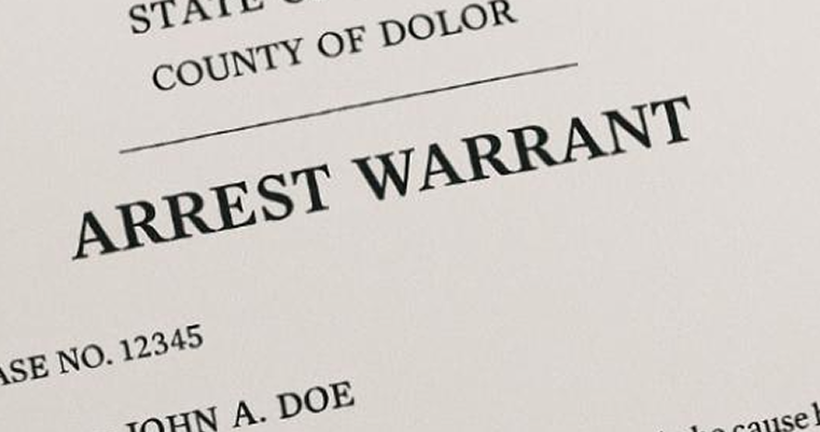
Discovering that there is an active warrant in your name can be overwhelming and frightening. Warrants can be issued for missed court appearances, unpaid fines, probation violations, or new criminal allegations. No matter the reason, a warrant can lead to sudden arrest at home, work, or during a routine traffic stop. At Novo Law, we recognize the urgency of these situations and act quickly to protect your rights and resolve the matter.
Our attorneys provide clear guidance and aggressive representation when handling warrant cases. Whether you’re facing a bench warrant, arrest warrant, or extradition issue, we help you navigate the legal process and work toward the best possible resolution.
Understanding Warrants
A warrant is a legal document issued by a judge authorizing law enforcement to take specific action—such as arresting a person, searching property, or seizing evidence.
Important aspects of warrants include:
The reason for issuance – failure to appear, suspected crime, or probation violation.
The type of warrant – arrest, bench, or search warrant.
The issuing court and jurisdiction.
Potential consequences if ignored.
Options to resolve without immediate jail time.
Different Types of Warrants
Arrest Warrant
Authorizes police to take you into custody for alleged criminal activity.
Bench Warrant
Commonly issued for missing a scheduled court date or failing to pay fines.
Search Warrant
Permits law enforcement to search specific property for evidence of a crime.
Probation Violation Warrant
Issued when someone allegedly breaks probation terms.
Extradition Warrant
Used when a person is wanted in another county or state.
Outstanding Warrants
Long-standing warrants can lead to unexpected arrests even years later.
When to Contact a Defense Lawyer for Warrants
If You Learn of an Active Warrant
Quick action may allow you to avoid being taken into custody unexpectedly.
When Facing Probation Issues
Violations can result in serious penalties, and you need skilled legal defense.
If Police Contact You
Speaking without counsel could harm your case—let an attorney handle communication.
When Traveling Across State Lines
Warrants in other jurisdictions can lead to extradition proceedings.
Safeguarding Your Future
Ignoring a warrant doesn’t make it go away—it only makes the problem worse. At Novo Law, we act swiftly to negotiate surrender terms, contest unlawful warrants, and seek to minimize or eliminate jail exposure. Our goal is to resolve the matter with as little disruption to your life as possible.
What Happens After a Warrant is Issued
Notification or Discovery
You may be informed by law enforcement, or you may find out unexpectedly.
Law Enforcement Action
Officers may attempt to arrest you at home, work, or during a stop.
Court Appearance
You’ll be brought before a judge to address the underlying matter.
Bond or Release Conditions
A judge decides whether you can be released while your case proceeds.
Resolution
Depending on the case, charges may be negotiated, dismissed, or proceed to trial.
How Novo Law Assists in Warrant Cases
Detailed File Review
We examine the reason behind the warrant and the evidence supporting it.
Immediate Response
We take fast action to reduce the risk of surprise arrests.
Challenging Legality
If the warrant was improperly issued, we fight to have it quashed.
Negotiating Terms
We work with prosecutors and judges to secure fair bond or release conditions.
Court Representation
We advocate for your rights at every hearing.
Protecting Your Record
We pursue outcomes that reduce or eliminate long-term consequences.
FAQs
What should I do if I think I have a warrant?
Contact an attorney immediately. A lawyer can confirm the warrant and advise on safe next steps.
Can I be arrested at any time?
Yes. With an active warrant, law enforcement can detain you anywhere—at home, work, or during travel.
Will I go to jail if I turn myself in?
Not always. An attorney can often negotiate conditions that allow for release on bond.
Can a warrant be cleared without appearing in court?
In some cases, yes. Your lawyer may be able to resolve certain warrants without you being present, depending on the circumstances.
Do warrants ever expire?
Most do not. Warrants generally remain active until addressed by the court.
How long does a probation violation case take?
Timelines vary, but hearings often move faster than regular criminal trials—sometimes within weeks of the violation notice.