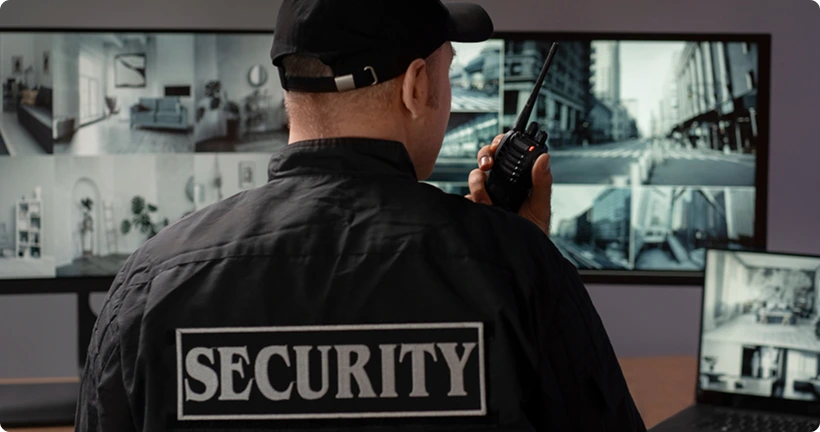
Lack of Surveillance Cameras
No video monitoring in high-crime areas can invite criminal activity and eliminate crucial evidence.
Broken or Inadequate Locks
Apartments or hotel rooms with faulty locks fail to keep intruders out and leave guests exposed.
Lack of access/perimeter control
Failure to restrict or monitor property boundaries can lead to unauthorized entry, safety hazards, and increased liability.
Poor Lighting in Parking Lots or Hallways
Dimly lit areas give attackers cover—good lighting could have prevented the crime.
No Security Guards or Patrols
Properties in crime-prone areas should have trained personnel present to deter or respond to threats.
Failure to Address Previous Incidents
If crimes have happened before and no security upgrades were made, that’s a red flag for negligence.
No Emergency Response Measures
Lack of panic buttons, alarm systems, or emergency exits puts people at greater risk during violent incidents.
When to Seek a Negligent Security Attorney
You Were a Victim of a Crime on Someone Else’s Property
If the attack happened in a place that lacked basic security, you may have a valid case.
Security Failures Contributed to the Incident
Whether it was broken lights or absent guards, we’ll identify how security failed.
The Property Has a History of Crime
Owners must take extra precautions when their location is known to be high-risk.
You’re Dealing with Trauma and Financial Loss
Victims often face ongoing physical, psychological, and financial consequences—we fight to recover all damages
Always report the crime and request a copy of the police report—it’s essential documentation.
Seek Medical and Emotional Support
Don’t delay in getting treatment for physical or emotional injuries. Your wellbeing is the priority.
Document the Environment
Photograph lighting, entrances, exits, or anything else that shows security lapses.
Consult with a Legal Professional
Criminal and civil cases are separate. We help you pursue the property owner for compensation.
How Novo Law Can Help You Settle a Negligent Security Case
Independent Crime Scene Review
Our investigators assess the location, identify missing safety features, and collect witness statements.
Legal Analysis of Foreseeability and Duty
We examine whether the property owner knew or should have known about the crime risk and failed to act.
Connecting Security Failures to the Crime
We establish how the owner’s inaction directly contributed to the incident that caused your harm.
Filing Civil Action for Damages
We pursue claims for medical costs, lost wages, emotional distress, and long-term trauma.
Working Alongside Criminal Investigations
While law enforcement pursues the criminal, we focus on holding the property owner civilly responsible.
Supporting Your Recovery with Compassion
We understand the emotional toll—our team walks beside you with care and determination from start to finish.
FAQs
Can I sue even if the criminal wasn’t caught?
Yes. Your civil claim focuses on the property owner’s negligence, not the identity of the attacker.
What types of properties are often involved?
Apartment complexes, parking garages, nightclubs, hotels, and convenience stores are common sites.
What compensation can I recover?
Medical expenses, therapy costs, lost wages, pain and suffering
What if the owner says the crime wasn’t foreseeable?
We investigate local crime data and prior incidents to show what they should have known and done.
How long do I have to file?
The statute of limitations varies, but early action is critical in preserving evidence and rights.
Is this type of case difficult to prove?
They can be—but we have the resources, experts, and experience to build strong, evidence-based cases.