

Contact us
Send Us Your Case Details
We’ll respond and let you know the best way to proceed with your case.


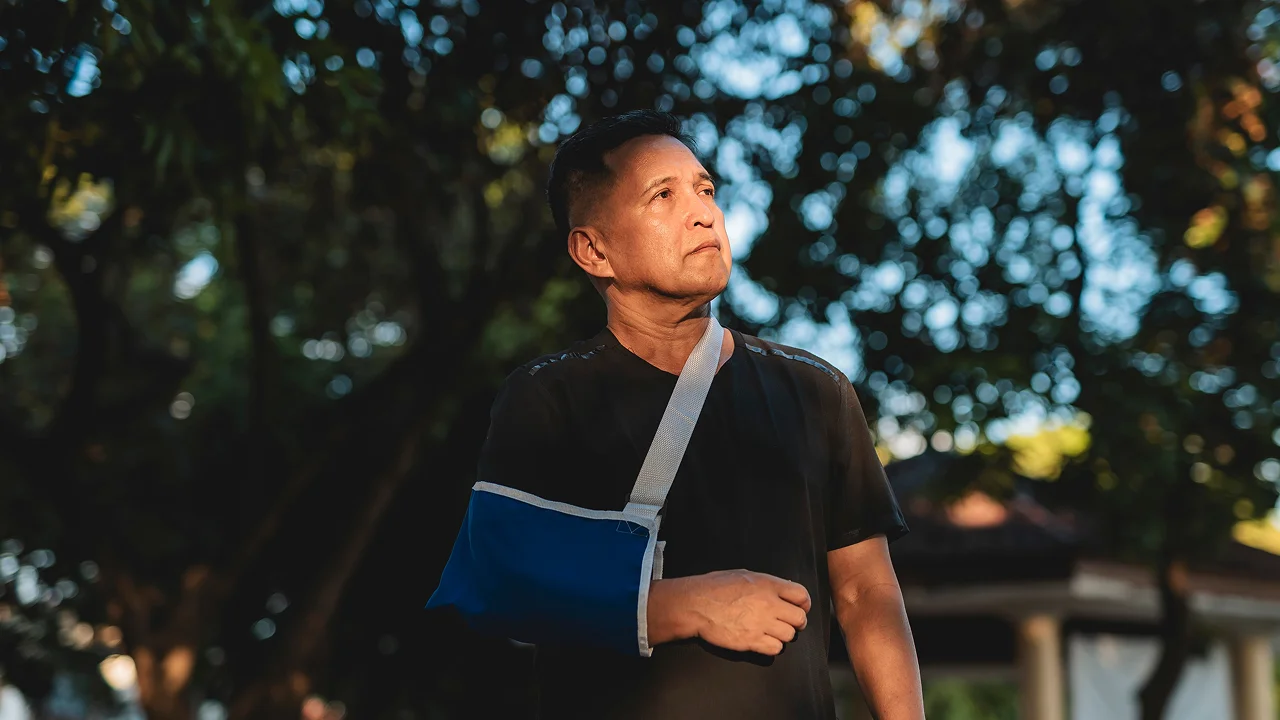
When someone suffers harm due to another person’s negligence, filing a personal injury claim can help recover financial losses. Personal injury settlements are common resolutions that occur before a case reaches trial. If you or someone you know is considering pursuing a personal injury claim, understanding the process and preparing properly can make a significant difference in the outcome.
A personal injury settlement is an agreement between the injured party and the at-fault party (or their insurance company). This agreement allows the injured party to receive financial compensation without going through a full court trial. Settlements help resolve disputes faster, reduce legal costs, and provide a sense of closure.
Most personal injury cases settle out of court. However, the process leading up to a settlement involves investigation, negotiation, and, at times, legal filings.
1. Initial Consultation and Case Review
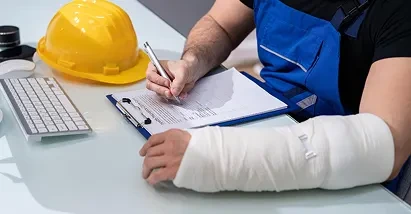
Once an injury occurs, the first step is often meeting with a legal professional to discuss the situation. During this stage, the attorney reviews medical records, accident reports, and other supporting documentation.
2. Investigation and Evidence Gathering
Collecting evidence is crucial to building a solid claim. This includes:
This stage helps determine liability and the value of your claim.
3. Demand Letter
Once sufficient evidence is collected, a demand letter is sent to the opposing party. This letter outlines the facts of the case, the extent of injuries, and the financial compensation being requested.
4. Negotiation Phase
Negotiations between both parties begin after the demand letter. The insurance adjuster may present a counteroffer. This back-and-forth may continue until both sides agree on a fair amount.
5. Settlement Agreement
Once an agreement is reached, both parties sign a settlement agreement. This document includes the agreed-upon compensation and a clause preventing further legal claims related to the incident.
Many variables influence the value and timeline of a settlement:
Organize All Documentation
Keep all medical records, receipts, and related correspondence. This strengthens your claim.
Be Cautious With Communication
Avoid discussing the case on social media or with the other party’s insurance company without guidance.
Understand the Full Value of Your Claim
Don’t accept the first offer if it doesn’t reflect the true financial and emotional impact. Consult with your legal counsel.
Follow Medical Advice
Continue all recommended treatments. Gaps in care can be used to reduce the perceived severity of injuries.
Timeline for Personal Injury Settlements
The duration of a settlement process varies depending on the complexity of the case, the willingness of both parties to negotiate, and the availability of evidence. Some cases settle within a few months, while others may take a year or longer. Patience and preparation are key.
Most people prefer settlements because they are faster and less stressful than trials. However, if a fair agreement cannot be reached, going to trial may be necessary. Here are some key distinctions:
Once the settlement is finalized, the injured party typically receives the agreed payment within a few weeks. Legal fees and medical liens are often deducted from this amount. It’s important to understand the financial implications and work with your attorney to ensure all obligations are met.
Potential Pitfalls to Avoid
Key Takeaways
If you believe you have a valid personal injury claim, it may be helpful to speak with someone who can guide you through your options. At Novo Law, we provide straightforward support and guidance for individuals seeking resolution after injury.
Start Your Free Case Review to find out how we can assist with your situation.
For more information or to begin discussing your case, reach out to Novo Law. Your rights and recovery matter, and preparing wisely is your best first step.